Skip to content


Probably not. But let’s check anyway. Free boiler upgrades exist for specific groups—primarily those on benefits or swapping fossil fuel systems for heat pumps. The two schemes worth knowing are ECO4 (fully funded for qualifying households) and the Boiler Upgrade Scheme (partial grants for heat pump installations).
If you’re earning above £31,000 annually and not on benefits, you’re likely paying something.
Understanding the UK's Free Boiler Programs
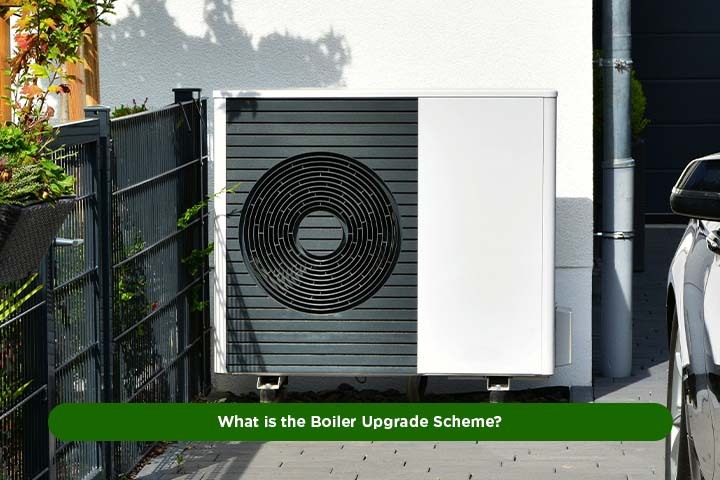
Two schemes dominate the landscape. ECO4 delivers fully free A-rated gas boilers to low-income households until March 31, 2026 (extensions under discussion). BUS hands out £7,500 grants for heat pump installations to anyone replacing fossil fuel heating—no income checks required.
The distinction matters more than you’d think. ECO4 targets fuel poverty with traditional boiler replacements. BUS pushes heat pump adoption regardless of your bank balance. Different objectives, different outcomes, different qualification criteria.
What Makes ECO4 Different?
Energy suppliers fund ECO4 through government obligations. It’s not taxpayer money—it’s built into your energy bills whether you benefit or not. Slightly ironic that non-qualifying households subsidise free boilers for others, but that’s UK energy policy for you.
The scheme bundles boilers with insulation for whole-house efficiency improvements. You don’t just get a new boiler—you might get cavity wall insulation, loft upgrades, and draught-proofing thrown in. Smart approach. Unusual for government programs.
How BUS Operates Differently
BUS uses direct government funding from the Department for Energy Security and Net Zero. Ofgem administers it through MCS-certified installers who claim vouchers on your behalf. The grant comes off your quote immediately—no waiting for reimbursement.
Heat pumps cost £12,500 on average. BUS covers £7,500. You pay £5,000. Not free, but substantially discounted for technology that’ll last 20+ years while cutting carbon emissions by 75%.

Check your Eligibility Now
If you are receiving benefits from the UK Government then you might be eligible for free insulation grants.
ECO4 Qualification Requirements
Benefits are your ticket in. Receive any of these, and you’re automatically eligible:
- Universal Credit
- Pension Credit
- Income-based Jobseeker’s Allowance (JSA)
- Employment and Support Allowance (ESA)
- Income Support
- Housing Benefit
- Child Tax Credit (household income under £16,480)
Your property needs an EPC rating between D-G (sometimes strictly E-G depending on your supplier’s interpretation). The boiler must be inefficient—typically non-condensing G-rated models from the 1990s. If your boiler predates Tony Blair’s first term, you probably qualify.
Local Authority Flex: The Backdoor Entry
Don’t receive benefits but earn under £31,000 annually? Local Authority Flex might save you. Councils identify vulnerable households based on income, health conditions, or age. Elderly residents struggling with heating costs often qualify through this route.
The process requires council referral rather than direct application. Contact your local authority’s energy team. They’ll assess whether your circumstances meet flex criteria—usually within 2-3 weeks.
Who ECO4 Explicitly Excludes
Previous grant recipients for the same property are out. New builds don’t qualify—developers should’ve installed efficient heating already. Council-owned social housing needs specific approval channels that most residents won’t navigate successfully.
Private tenants need written landlord permission. Good luck extracting that from landlords who haven’t responded to maintenance requests since 2019.
BUS Eligibility Criteria
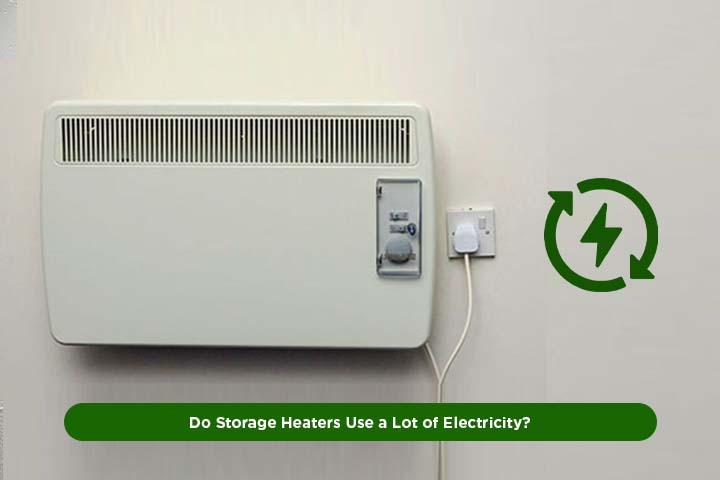
Homeowners in England and Wales replacing oil, gas, LPG, coal, or electric storage heaters with MCS-certified heat pumps or biomass boilers. That’s the entire qualification test.
No benefits required. No income thresholds. No vulnerability assessments. Just property ownership and an existing fossil fuel system you’re willing to replace. The £7,500 grant applies whether you’re earning minimum wage or clearing £200,000 annually.
Property Requirements for BUS
Valid EPC within 10 years. Heat demand under 45kWth (covers 99% of residential properties). Insulation recommendations are now waivable since 2024—the government finally realized perfect insulation shouldn’t block heat pump adoption.
Self-build homes qualify if installing first heating systems. Landlords and businesses can apply for non-domestic buildings under 45kWth. The scheme’s broader than most realize.
What BUS Won’t Fund
Replacing existing heat pumps with newer models. Swapping one low-carbon technology for another doesn’t advance decarbonization. Properties outside England and Wales are excluded—Scotland has separate schemes, Northern Ireland has Affordable Warmth.
Double-dipping with other government heating grants is prohibited. You can combine BUS with ECO4 insulation, but not ECO4 boiler funding. Choose one heating grant, maximize everything else.
The Financial Reality of "Free" Upgrades
Let’s quantify what free actually means across both schemes, because the marketing claims rarely match installation reality.
| Scheme | Max Grant | Your Cost | Technology | Annual Savings |
| ECO4 | 100% funded | £0-£500* | A-rated gas boiler + insulation | £800+ |
| BUS | £7,500 | £5,000-£16,500 | Heat pump or biomass | £260-£1,200 |
*ECO4 occasionally requires minor contributions for EPC D-rated properties, typically under £500.
Running Cost Comparisons
Upgrading from a G-rated gas boiler saves roughly £260 annually with modern condensing models. Switching from electric storage heaters to heat pumps saves £1,200+ per year. LPG and oil users typically save £700 annually by going electric with heat pumps.
These are conservative estimates assuming average usage. Heavy heating users in poorly insulated properties see higher savings. Light users in well-insulated homes save less. Your mileage varies—literally and financially.
Application Process: Who Does What
ECO4 applications start with online eligibility checkers. Enter your postcode, benefits status, and EPC details. Takes 60 seconds. Approved applicants receive property surveys within 1-2 weeks to confirm boiler suitability.
Energy suppliers or MCS installers handle all paperwork. No upfront costs for qualifying households. Total timeline: 4-8 weeks from application to installation.
BUS Application Mechanics
Find an MCS-certified installer at mcscertified.com. They assess your property, confirm eligibility, and deduct the grant from their quote. The installer submits the voucher application to Ofgem with your email consent.
Voucher processing takes 2-4 weeks. Installation proceeds afterward. The installer redeems the grant within 120 days of MCS certification. You’re never handling bureaucracy directly—installers manage Ofgem interactions because they’re incentivized to get paid.
Documentation You’ll Need
Benefits letters proving entitlement. EPC certificate (order free at gov.uk/find-energy-certificate if you’ve lost yours). Boiler age verification—serial numbers usually indicate manufacture dates.
Private tenants need written landlord consent before proceeding. Email confirmation typically suffices, but get it in writing because verbal agreements evaporate when installations begin.
Key Scheme Differences That Actually Matter
Beyond the obvious funding levels, operational differences determine which scheme suits your situation better.
| Factor | ECO4 | BUS |
| Income Test | Required (benefits or <£31k) | None |
| Property Location | England, Scotland, Wales | England, Wales only |
| Technology Focus | Gas boilers + insulation | Heat pumps, biomass |
| End Date | March 31, 2026 (extensions possible) | Ongoing through 2028 |
| Installer Choice | Supplier-assigned | You choose MCS-certified |
Choose ECO4 if you’re on benefits and want a traditional gas boiler. Choose BUS if you’re installing heat pumps regardless of income. Combine ECO4 insulation with BUS heat pumps for maximum efficiency gains.
Don’t overthink it. Your benefits status and heating preference determine the answer.
The Bottom Line
ECO4 costs you nothing if you qualify. BUS leaves you paying £5,000-£16,500 after grants depending on heat pump type. Ground source heat pumps cost more upfront but deliver 15-20% better efficiency than air source models.
Payback periods: 3-7 years for most installations based purely on energy bill reductions. Factor in 20-year system lifespans and you’re looking at £8,000-£20,000 total savings over equipment life.
Combine installations with smart thermostats and zoning controls. Another 10-15% efficiency gain that compounds annually. Small optimizations create substantial long-term value.
Frequently Asked Questions
Yes, through ECO4 with written landlord permission. Landlords pay nothing but gain energy-efficient properties that command higher rents. Most refuse anyway because logic isn’t their strong suit.
Try Local Authority Flex if you’re elderly, have health conditions, or face fuel poverty despite income. Councils have discretionary power for borderline cases. Also consider BUS heat pumps with no income test.
Immediately. Funding operates first-come, first-served. Extensions are discussed but not confirmed. Applications submitted by February 2026 should process before the deadline, assuming no funding exhaustion.
No. Both ECO4 and BUS grants are non-repayable regardless of property sale timing. The equipment stays with the property. New owners inherit the efficient heating without obligation to you.
Yes, but not for the same heating system. Use ECO4 for insulation upgrades, BUS for heat pump installation. Combining both schemes maximizes efficiency gains and minimizes your costs. Stack intelligently or leave money unclaimed.
Get Your ECO4 Grant
Simply enter your postal code and answer a few questions, we’ll handle the rest!
Recent Blogs

Share Blog