Skip to content

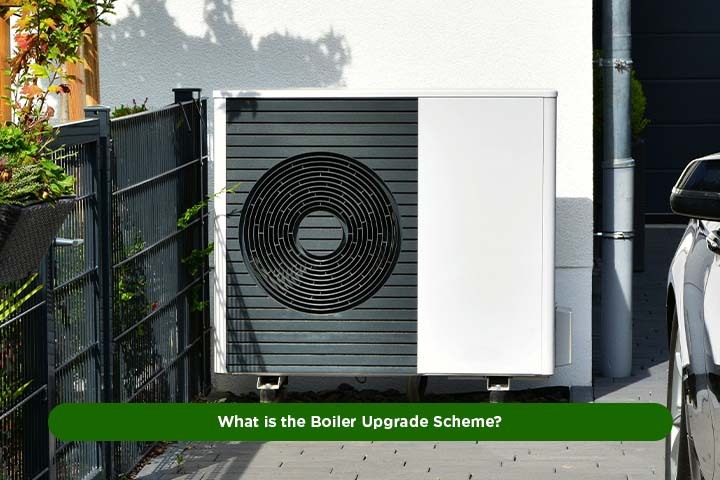
Various government schemes have helped UK homeowners and tenants in various aspects in the past to achieve certain long-term objectives. Similarly, the Boiler Upgrade Scheme is aimed at achieving the goal of minimizing reliance on natural resources like fossil fuels to low-carbon and renewable heating systems.
This guide will cover everything a UK property owner needs to know about the BUS scheme. This will also help you know whether you qualify for the grant, and how it works, and what benefits you may get through the boiler upgrade scheme. Before moving ahead, let’s know a brief about the scheme
A Brief About The Scheme
The boiler upgrade scheme is a UK government support programme. It helps property owners switch to low carbon heating systems. The scheme launched in 2022 across England and Wales. It supports the government’s plan for energy security and net zero.
Heating creates a large share of emissions in UK homes. Many properties still use a fossil fuel heating system. This includes a gas boiler, oil boiler, or LPG system. These systems burn fuel and release carbon.
The BUS scheme helps you replace existing fossil fuel heating. It encourages replacing fossil fuel heating systems with cleaner options. These include heat pumps and biomass boilers. The goal is to promote low-carbon heating in UK homes.
The scheme offers upfront capital grants. This reduces the upfront cost of installation. The support is often called the boiler upgrade scheme grant. Many people also call it a heat pump grant or heat grant.
The grant amount depends on the system you choose. You can receive £7,500 for a ground source heat pump, £5,000 for a biomass boiler. Moreover, you may receive £2,500 for some other eligible systems. The value of the grant is deducted from your total bill.

Check your Eligibility Now
If you are receiving benefits from the UK Government then you might be eligible for free insulation grants.
Benefits Of The BUS Scheme
Many property owners in England apply for the BUS scheme. Here are key reasons why people apply for the bus:
- Save up to £550 per year on energy bills.
- Lower long-term cost and installation pressure through grants.
- Reduce reliance on fossil fuel systems.
- Improve energy efficiency in your home.
- Support the government’s net zero target for 2050.
- Upgrade to a modern low-carbon heating system.
- Improve heating and hot water performance.
- Increase property value with renewable technology.
- Protect against rising fuel prices.
- Use clean renewable energy from air or ground.
Many homeowners want to replace existing fossil fuel systems. The BUS scheme makes that upgrade more affordable.
Who Governs Boiler Upgrade Scheme?
The UK government funds the BUS scheme. It is delivered by the department for energy security. Ofgem manages applications and payments. Only an MCS certified installer can take part. MCS means microgeneration certification scheme. This ensures high standards for safety and quality. Your system must receive an MCS certificate after installation. The installer is acting on your behalf. The installer will apply and request the grant voucher. They claim the grant on your behalf from Ofgem.
For Whom The Scheme is For?
The scheme is for homeowners in England and Wales. It also covers some non-domestic buildings in England. This includes certain small businesses and organisations. It is open to any property owner in eligible areas. That includes landlords who rent properties. The scheme supports owners in England and Wales only.
The building must be located in England and Wales. Scottish applicants must contact Home Energy Scotland. They can also check guidance from the Energy Saving Trust. Your property must have existing fossil fuel heating. You must plan to replace existing fossil fuel heating. This means switching from gas, oil, LPG, or electric resistance heating.
Eligibility Criteria
General Eligibility
You must have a valid energy performance certificate. This is also called an EPC. The energy performance certificate must be less than ten years old.
Your property must use an existing fossil fuel system. It must not already have a heat pump or biomass boiler. You cannot apply if you already received similar government funding. The scheme does not cover most social housing.
Eligible systems you can replace include:
- Gas boiler
- Oil boiler
- LPG boiler
- Electric boiler
- Storage heaters
- Coal or wood based systems
You must be eligible for the boiler upgrade before applying. Always check full eligibility rules with your installer.
Specific Technology Rules
Air Source Heat Pump
An air source heat pump is the most popular option. You can install an air source heat pump if space allows. The property must not already use renewable heating. It must have electricity supply for the heating system. The unit cannot block access or cause planning issues. Urban homes must check local planning rules.
Ground Source Heat Pump
A ground source heat pump uses underground pipes. It captures natural ground source heat. You must have land space for pipe installation. The grant gives six months for ground source completion. Some cases allow extra months for ground source heat projects.
Biomass Boiler
A biomass boiler burns organic material. It is only for properties not connected to the gas grid. The property must usually be rural. It must not be a new standard build.
Water Source Heat Pumps
In rare cases, water source heat pumps may qualify. These depend on location and water access.
How Does The Scheme Work?
Many people ask how the scheme works in practice. First, contact a certified installer in your area. Make sure they are MCS certified. The chosen installer will assess your property. They review your insulation and EPC rating. Good insulation improves home energy performance.
You receive a quote towards the cost of installation. The quote shows the upfront price and grant deduction. If you are eligible for the grant, the installer proceeds. The installer will apply to Ofgem online. They request a bus grant and secure a voucher. This is called a grant voucher.
Once approved, installation can begin. The boiler replacement scheme then moves to the installation stage. After completion, Ofgem confirms the claim. The installer receives the payment directly. You pay the remaining balance after the upfront cost reduction.
Required Documents
You must provide key documents to apply for the grant.
- A valid energy performance certificate
- Proof you are the property owner
- Details of your existing fossil fuel heating
- Installer quotation
- Planning permission if required
The MCS certified installer handles most paperwork. They apply for the boiler upgrade on your behalf.
How To Apply?
Start by searching for an MCS certified installer. Confirm they understand the boiler upgrade scheme rules. Book a property survey. Discuss options including heat pumps and biomass systems. Ask about total cost and installation timeline.
Check you meet full eligibility conditions. Allow the installer to apply for the bus scheme. Wait for confirmation of the grant voucher. After approval, installation begins. Your new low-carbon heating system will provide efficient heating. It will improve comfort and reduce carbon emissions.
What if Your Grant Is Rejected?
Sometimes an application is rejected. This may happen due to EPC issues. It may relate to incorrect documents. It may be due to conflicts with the energy company obligation scheme.
Review the reason carefully. Fix insulation or EPC problems if needed. Check if your property is truly eligible for the grant. You can reapply once issues are resolved. Speak with your certified installer for guidance
Conclusion
The boiler upgrade scheme supports low carbon heating systems in buildings in England and Wales. It helps property owners in England reduce emissions. It encourages replacing fossil fuel heating systems with modern alternatives. Through generous upfront capital grants, the scheme reduces cost barriers. You can install an air source heat pump, ground source heat pump, or biomass boiler.
The process is simple because the installer is acting for you. They apply for the grant and manage Ofgem approval. For many homeowners in England and Wales, this is a smart move in 2025. It lowers energy bills, improves comfort, and supports net zero goals. If you plan to replace existing fossil fuel heating, consider the BUS scheme. It is a practical step towards cleaner, safer, and future-ready home energy.
Frequently Asked Questions
The grant amount depends on the system installed. You can get £7,500 for a ground source heat pump. You can get £5,000 for a biomass boiler. Some systems receive £2,500 support.
Homeowners and landlords in England and Wales can apply. The property must have an existing fossil fuel heating system. You must meet EPC and eligibility requirements.
No, you do not apply yourself. An MCS certified installer applies on your behalf. They request the grant voucher from Ofgem.
You usually cannot combine it with other heating grants. However, insulation support may still be allowed. Always confirm with your installer before applying.
Replacing older units with new high-heat retention heaters will indeed reduce operating costs, improve comfort and lower energy consumption. Many households are eligible for free upgrades via ECO4.
Get Your ECO4 Grant
Simply enter your postal code and answer a few questions, we’ll handle the rest!
Recent Blogs


Share Blog