Skip to content

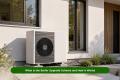
Boiler Upgrade Scheme (BUS) is a UK government grant scheme that provides up to £7,500 for the conversion of your fossil fuel boiler into a heat pump. The scheme commenced in 2022 and ends in 2026, and it has a total budget of £450 million.
The scheme provides 30-50% of the installation costs without requiring any loans to repay. All you will need to do is have your voucher deducted from your final bill. The scheme is available to homeowners, small businesses and social housing in England and Wales. For Scotland and Northern Ireland, there are separate schemes.
How the BUS Works
The boiler upgrade scheme grant is not an eco-loan scheme with confusing terms. It is a grant provided by Ofgem. You will just choose a registered installer and they will do the paperwork and get Ofgem approval. The grant will be deducted from your quote. That is all!
Simple: replace all fossil fuel-powered systems with low carbon alternatives. Gas boilers, oil tanks, electric storage heaters, LPG systems will all be replaced – but only if the new system installed is capable of heating the whole load.
What Technologies Really Count?
| Technology | Grant Amount | Best For |
| Air Source Heat Pump (ASHP) | £7,500 | Most homes, urban & rural |
| Ground/Water Source Heat Pump (GSHP) | £7,500 | Larger properties, land available |
| Biomass Boiler | £5,000 | Rural, wood fuel access |
Heat pumps extract heat from the air or the ground. They do not create heat directly using electricity; instead, they transfer heat in a similar way to a refrigerator operating in reverse. Biomass systems use wood pellets or other organic fuel sources. Both technologies must meet energy efficiency standards. Hybrid systems or gas boiler backup systems are not eligible under the scheme.
The maximum heat supply capacity allowed is 45kWth per property, which covers around 95% of households in the UK.
Who’s Eligible to Apply?
If you own the property, live in England or Wales, and currently use a fossil fuel heating system, you will likely qualify.
Freeholders can apply directly. Leaseholders must have at least 21 years remaining on their lease. Eligible applicants include homeowners, landlords, small businesses, self-build projects, and social housing providers. Off-grid rural properties are often ideal candidates because they already face high heating costs from oil or LPG systems.
You DO NOT Qualify If:
- You live in Scotland or Northern Ireland, which have separate funding schemes.
- You are building a new property that has never had a heating system installed.
- You already have a heat pump or biomass heating system installed.
- You want to install a hybrid system combining a heat pump and gas boiler.
EPC ratings can still matter in some cases. If your property has high heat loss, insulation upgrades such as loft or cavity wall insulation may be recommended before installing a heat pump to improve efficiency and reduce running costs.
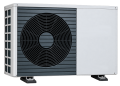
Get Rid of Noisy & Inefficient Boilers
Fossil fuels and inefficient electric heating belong in the past. Step up to a heat pump running at 400% efficiency, backed by grants worth up to £9,000.
The Application Process (Faster Than You Think)
Most people assume that government programmes involve endless paperwork and long waiting periods. In reality, the time from quote to installation is usually around 8–12 weeks.
Step 1: Find an MCS-Certified Installer
Not every installer qualifies for the scheme. Use the Ofgem or GOV.UK installer finder tool to locate approved MCS-certified installers. It’s recommended to get 2–3 quotes before choosing a provider. A legitimate installer should not request a large upfront payment before Ofgem approval.
MCS certification is mandatory and helps ensure proper standards and installation quality. Always verify credentials, check references, and review previous installations before proceeding.
Step 2: Home Survey and System Sizing
Your installer will visit the property to carry out a full heat loss assessment, inspect insulation levels, measure radiators, and determine the correct system size for your home.
This stage is critical. Choosing the wrong heat pump size can result in poor heating performance or unnecessarily high running costs. Experienced installers often spend 2–3 hours completing this assessment properly.
Step 3: Quote Agreement and Application Submission
Once you accept the quotation, the installer submits the Boiler Upgrade Scheme application on your behalf through Ofgem’s system. You do not need to handle the paperwork yourself.
Ofgem usually reviews applications within 3–5 working days. Once approved, the grant amount is deducted directly from your installation quote before work begins.
Step 4: Installation and Verification
Installation typically takes 2–3 days for an air source heat pump and around 5–7 days for a ground source system. After completion, Ofgem or MCS may carry out verification checks through a phone call, audit, or site visit.
The grant is paid directly to the installer. You only pay the remaining balance after installation is complete and the system has been officially commissioned.
What It Actually Costs You
Let’s look at the actual installation costs rather than broad government estimates.
Air Source Heat Pump (ASHP)
- Total installation cost: £8,000–£15,000
- After the £7,500 grant: around £500–£7,500 out of pocket
- Typical cost for an average 3-bedroom semi-detached home: £4,000–£6,000
Ground Source Heat Pump (GSHP)
- Total installation cost: £20,000–£40,000
- After the £7,500 grant: around £12,500–£32,500 out of pocket
- Usually requires sufficient garden space for ground loops or boreholes
Biomass Boiler
- Total installation cost: £12,000–£20,000
- After the £5,000 grant: around £7,000–£15,000 out of pocket
- Additional considerations include fuel storage and ash management
Eligible installations are currently zero VAT rated, which can provide an additional saving on top of the grant amount.
Final costs vary depending on the property size, the existing heating system, radiator upgrades, insulation improvements, and site preparation requirements. Urban installations are often cheaper, while remote or difficult-access properties can increase labour and installation costs.
The Savings (And Why This Pays Off)
Heat pumps can cut running costs by 30-50%, compared to oil and LPG. Why not gas? If you are a gas-fired household with decent insulation, the savings are less, maybe 10% a year. Off grid users of oil or LPG? Save £500 to £1,200 a year – this would pay back in 5-8 years even with the grant.
Carbon emissions fall 75% compared to gas boilers (net zero). Property values increase by 3-5% with heat pumps installed. Buyers are looking for low running costs.
Smart controls, off-peak tariffs (10p/kWh), and insulation improve savings. Instead of blasting your heat pump at 65°C for short bursts, run it at lower temps (35-45°C).
Next Steps: Lock In Your Grant
Visit the Gov.uk installer finder. Verify MCS certification. Compare estimates. Check your EPC rating online (free via the official EPC register). Contact Ofgem or Citizens Advice for technical questions. Don’t wait for ‘better deals’. This is the deal.
Apply now. Heat pumps work, the grant pays. Your bills drop. What’s stopping you?
Get Your ECO4 Grant
Simply enter your postal code and answer a few questions, we’ll handle the rest!
Recent Blogs


Share Blog