Skip to main content Skip to content

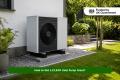
When applying for a £7,500 voucher for a heat pump, many property owners do not know from where they should begin. The Boiler Upgrade Scheme is a government sponsored scheme that helps households switch to cleaner and greener heating systems.
The process is not always straightforward. Homeowners must find a suitable installer first. They must also meet specific eligibility rules. Many applicants assume they can apply directly to Ofgem. However, that is not how the process works.
Instead, an approved installer applies for the voucher on behalf of the property owner. The installer must be MCS certified. They must also meet scheme requirements. Usually, applicants go through a few checks before getting their voucher approval. If a required document or information is missing, approval may be postponed or even rejected.
This is why it’s important to learn the rules to apply. Getting acquainted with the conditions for approval saves time and minimizes the risks of errors. In the following sections, you’ll find out how to apply for a £7,500 heat pump grant.
What is the £7,500 Heat Pump Grant?
A £7,500 heat pump grant is an incentive available within the Boiler Upgrade Scheme. The scheme supports owners replacing fossil fuel heating with a clean technology. It supports the installation of low-carbon heating technologies.
The government introduced the scheme to reduce carbon emissions. It also helps households move away from gas and oil heating. A voucher allows one to pay less for the installation. So, the total installation expense will be lowered significantly.
A voucher for installing an air source heat pump is worth £7,500. Basically, it means the installer takes £7,500 off the total price for fitting a new heat pump; it’s not like the money just shows up directly to homeowners.

Check your Eligibility Now
If you are receiving benefits from the UK Government then you might be eligible for free insulation grants.
Who Runs the Boiler Upgrade Scheme?
An application is handled by Ofgem and the UK government. Homeowners cannot apply for a grant by themselves.
An approved installer must complete the application. They act on behalf of the property owner throughout the process. This system helps ensure installations meet required standards.
Who Can Apply for the Grant?
Not every property qualifies for the scheme. You may qualify if you meet the following conditions:
Property Requirements
- You own the property.
- You are a private homeowner.
- You are a landlord.
- You own a small non-domestic property.
Heating System Requirements
- Your property uses a fossil fuel heating system.
- Your property uses electric heating.
- You are replacing an existing heating system.
EPC Requirements
- Your property has a valid EPC.
- The EPC was issued within the last ten years.
Location Requirements
- The property is located in England or Wales.
Meeting these requirements does not guarantee approval. The installer will still need to complete technical assessments.
What Type of Heat Pump Does the Grant Cover?
Most applicants choose an air source heat pump. These systems take heat from the outside air. They use that heat to warm your home. An air source heat pump can provide heating and hot water. It works throughout the year.
The £7,500 voucher can significantly reduce installation costs. Heat pumps are notably energy efficient, and they can help reduce a household’s CO2 emissions compared with conventional boilers.
Step 1: Check Your Eligibility
The first step is confirming eligibility. Check your EPC certificate. Make sure it remains valid. Review your current heating system. Confirm that it meets scheme requirements.
You should also check whether any property issues exist. Some homes may require improvements before installation. A qualified installer can help assess your situation.
Step 2: Find an MCS-Certified Installer
Also, remember that only certified installers are allowed to apply in order to receive the voucher. This is, honestly, the most important thing in the whole process. They understand scheme rules and application requirements.
Do not choose the first installer you find; select a specialist based on his/her experience and professionalism. A professional can estimate the overall expenses and explain what you need to do further.
Step 3: Request a Home Assessment
The installer will visit your property to inspect your current heating system, and evaluate your property’s EPC. Several factors are reviewed during the assessment. These include:
- Property size
- Heat loss levels
- Existing radiators
- Insulation quality
- Hot water requirements
The installer will determine whether additional upgrades are needed. This assessment helps create an accurate installation proposal.
Step 4: Receive a Heat Pump Quote
After the survey, the installer provides a quotation. The quote outlines installation costs and recommended equipment. Read the proposal and ask about expenses related to maintenance and operation.
It’s recommended to receive quotes from several specialists and then choose one. However, it’s better to give preference to quality rather than cost.
Step 5: Confirm Your Chosen Installer
Once you select an installer, they begin the application process. The installer submits the voucher application to Ofgem. They provide technical details and supporting information.
The installer also confirms that the project meets scheme requirements. At this stage, homeowners usually need to provide the installer with their consent.
Step 6: Wait for Voucher Approval
Ofgem reviews the application. The review process checks eligibility and compliance. If everything is correct, Ofgem approves the voucher. The installer receives confirmation of approval.
Installation should not begin before voucher approval. Starting work too early can affect eligibility. Your installer will guide you through the correct timeline.
Step 7: Heat Pump Installation
After approval, installation can begin. The installer will fit the heat pump system. The installation period varies between properties. Some projects take only a few days. Others may take longer.
The installer will test the system after completion. They will explain how to operate it efficiently. Understanding the controls can help improve performance and comfort.
Step 8: Voucher Redeemed by Installer
After installation, the installer submits evidence to Ofgem. This confirms the work was completed correctly. Ofgem then pays the voucher amount directly to the installer.
The £7,500 discount is already reflected in your bill. This means you pay the remaining balance only.
Common Reasons Applications Get Rejected
Many rejections happen because of avoidable mistakes.
Common issues include:
- Invalid EPC certificates
- Incorrect application information
- Non-compliant installations
- Ineligible properties
- Work started before approval
- Missing supporting documents
Working with an experienced installer reduces these risks. They can identify problems before submitting the application.
Tips to Improve Your Chances of Approval
Follow these simple tips:
Check Documents Early: Gather important documents before starting. This helps prevent delays later.
Choose an Experienced Installer: An experienced installer will help you avoid possible mistakes.
Maintain a Valid EPC: Ensure your EPC remains valid. Renew it if necessary.
Be Responsive: Reply quickly to requests for information. Delays can slow down approval.
Ask Questions: Understand every step before proceeding. A good installer will explain everything clearly.
Is the £7,500 Grant Worth It?
For most homeowners, the outlook is positive. Swapping to heat pumps typically gives you low-carbon heating. Plus, the grant will reduce installation expenses.
Most people appreciate the environmental advantages of heat pumps. They contribute to reducing CO2 emissions, thus helping the UK become carbon neutral faster. Even though installation costs are higher than the costs of a boiler, the grant can lower them.
Final Thoughts
A £7,500 grant is a big help, because it reduces the upfront cost of moving to low-carbon heating. However, the applicant should consider some peculiarities of the application. Eligibility checks and selection of the installer are extremely important.
The crucial step in this procedure is to select a suitable MCS-certified installer. He or she will take care of the application process. If you do everything required and you pick a competent installer, your likelihood of getting the grant goes up quite a lot.
Frequently Asked Questions
Get Your ECO4 Grant
Simply enter your postal code and answer a few questions, we’ll handle the rest!
Recent Blogs


Share Blog