Skip to main content Skip to content

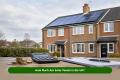
If you’re weighing up whether to install solar panels, the first question on your mind is probably the obvious one: how much is this actually going to cost me? There’s no single answer – it comes down to the size of your home, how many panels you’ll need, the type of system you go for, what your roof is like, and whether you want battery storage thrown into the mix.
For most UK homeowners, solar panels aren’t just another bill to pay – they’re more of a long-term investment. Once installed, they generate your own electricity from sunlight, cut down what you’re pulling from the grid, and can even earn you a bit of money by exporting the power you don’t use.
And the market’s been growing fast. According to Ofgem, 270,395 installations had signed up for a Smart Export Guarantee (SEG) tariff by the end of March 2025, adding up to a combined capacity of 1,585 MW – and almost all of that was solar PV.
So what’s the real number? Below, we’ll walk through what solar panels typically cost in the UK, what pushes that price up or down, and whether the investment tends to pay off.
How Much Are Solar Panels in the UK?
There’s no fixed price tag here – costs shift from one home to the next. A smaller system for a property with modest electricity use will generally come in cheaper than a larger setup built for a high-energy household.
As a rough guide, most complete domestic solar PV installations land somewhere in the thousands of pounds. That typically covers the panels themselves, an inverter, mounting equipment, the electrical work, installation labour, and certification.
Here’s a rough breakdown to give you a sense of scale:
| Solar PV System | Typical Use | Indicative Installed Cost |
| 3 kW | Smaller home or lower electricity use | £5,000–£7,000 |
| 4 kW | Typical family home | £6,000–£8,000 |
| 5 kW | Larger home or higher electricity use | £7,000–£10,000 |
| 6 kW+ | Large home or high electricity demand | £8,000–£12,000+ |
| Battery storage | Added to a solar system | £3,000–£8,000+ |
Treat these as ballpark figures rather than firm quotes – your actual cost could sit higher or lower depending on your property, the equipment you choose, and who’s doing the installing.
Honestly, the only way to get a real number is to have someone assess your roof, your electricity usage, and the system you’re leaning towards, and give you a proper quote based on that.
What Actually Drives the Price Up or Down?
Looking at panel prices alone only tells you part of the story. Here’s what really moves the needle.
1. System Size
This is usually the single biggest factor. A household with lower electricity use might only need a small system, while a larger family home with heavier consumption will likely benefit from more panels.
That said, going bigger isn’t automatically the right call. The system should be sized around what you actually use, how much roof space you’ve got, and how much of that solar electricity your household can realistically put to work. Under MCS standards, installers are required to give you estimates of annual generation and self-consumption before you sign anything – so you’re not just taking their word for it.
2. Panel Type and Quality
Not every panel performs the same. Some are simply more efficient, better warrantied, or built to hold up longer than others.
Higher-efficiency panels can squeeze more electricity out of a smaller roof, which matters if space is tight. They’ll usually cost more upfront, but it’s worth thinking about the whole package rather than just chasing the lowest quote on the table.
3. Your Roof
A straightforward roof with easy access makes the whole job simpler. A trickier roof – awkward angles, poor access, extra structural work – can mean more labour, more scaffolding, more mounting equipment, and a higher bill.
Direction, pitch, and shading all play into how much electricity your panels will actually produce, so a good installer should be assessing all of that before quoting you a final figure.
4. The Inverter
Solar panels generate DC electricity, but your appliances run on AC – so the inverter’s job is to convert one into the other. It’s not a minor add-on; its capacity needs to match your system design, and its warranty and lifespan are worth checking too, since a cheap inverter can end up costing you more down the line.
5. Installation and Labour
Your quote shouldn’t just be the price of the panels. A proper installation covers mounting, electrical connections, the inverter itself, monitoring equipment, scaffolding where needed, plus testing and certification at the end.
This is exactly why comparing full quotes matters far more than comparing panel prices in isolation.
Is Your Electric Bill Too Heavy on Your Budget?
Stop paying full price for your bills when the power from the sun can save your money. A high efficiency solar PV system, built for UK weather, could save you up to £550 a year.
What About Battery Storage?
Batteries have become a lot more popular with UK homeowners in recent years, and it’s easy to see why.
Solar panels mostly generate power during the day, but most households use more electricity in the mornings and evenings – right when the sun’s weaker or already down. A battery closes that gap by storing the surplus power you generate at midday so you can use it later, rather than sending it all back to the grid.
Adding a battery will push up your upfront cost – typically by several thousand pounds, depending on the battery’s capacity, the brand, what the installation involves, and whether it goes in alongside the panels or gets added later.
It also changes how much of your own solar power you actually use, which matters because the more you use yourself, the less you need to buy from your supplier.
What Do You Actually Get Out of It?
The main draw for most people is lower electricity bills. Solar panels generate power without burning any fuel while they’re running, so any electricity your home uses straight from the panels is electricity you’re not buying from the grid.
The upsides tend to include:
- Buying less electricity overall
- Using more renewable energy
- Relying less on the grid
- Potential payments for exported electricity
- More control over how you use energy at home
- Long-term savings potential
How much you actually save depends on your system’s output, how much of it you use versus export, your tariff, and how well the system performs. For context, Ofgem’s April–June 2026 price cap put the average unit rate for a typical default-tariff Direct Debit customer at 24.67p per kWh – though energy prices move around, so it’s worth not banking everything on today’s rate.
Can You Get Paid for Electricity You Don't Use?
Yes – through the Smart Export Guarantee (SEG), eligible solar PV owners in Great Britain get paid for the electricity they export to the grid. It’s a government-backed scheme, and participating suppliers pay generators for what they send back – though the exact rate and contract terms vary by supplier.
Don’t assume every unit you generate gets exported, though. A well-designed system is built to make the most of your own electricity first, with only the genuine surplus heading out to the grid.
For scale: Ofgem’s most recent annual figures, covering the 2024–25 SEG year, show 443.1 GWh exported and £56.97 million paid out to registered installations.
Choosing an Installer
Picking the right installer matters just as much as picking the right panels. Berks Insulation offers solar panel installation services across the UK, helping homeowners work out what makes sense for their property. When you’re comparing installers, look for clear pricing, the right equipment for your home, professional installation, and proper certification.
A good quote should break down what’s actually included – not just hand you one number and leave it at that. Before you commit, ask about the panels, the inverter, the mounting system, warranties, expected generation, the installation itself, certification, and any extra costs that might come up.
Are Solar Panels Actually Worth It?
For a lot of homeowners, yes – over the long run. But it really does depend on the property. A home with a good roof, decent sun exposure, and meaningful daytime electricity use is going to get more out of a system than one without those things.
What you get back depends on:
- The upfront installation cost
- How much electricity the system generates annually
- How much of that you actually use
- Your electricity tariff
- Export payments
- Whether you’ve got a battery
- Where electricity prices go in future
- Maintenance and replacement costs over time
Two homes with the exact same number of panels can end up with very different results financially, simply because of these variables. And it’s worth remembering that solar generation isn’t perfectly predictable – MCS notes that output varies by location and from year to year, since sunlight levels aren’t constant.
What About VAT?
The UK currently applies a temporary zero rate of VAT to qualifying energy-saving materials in residential properties, solar panels included. Under current rules, that zero rate holds until 31 March 2027, after which qualifying installations are set to move to the reduced 5% rate.
That makes now a fairly attractive time, cost-wise, for a qualifying installation – but tax rules can shift, so it’s worth double-checking the VAT treatment for your specific project when you get a quote.
What a Good Quote Should Cover
Don’t just compare the headline number. A proper quote should spell out:
| Cost Area | What to Check |
| Solar panels | Brand, model, power output, warranty |
| Inverter | Type, capacity, warranty |
| Mounting system | Roof compatibility and materials |
| Installation | Labour and electrical work |
| Scaffolding | Whether it’s included in the price |
| Monitoring | App or online monitoring system |
| Battery | Capacity, warranty, installation cost |
| Certification | Required testing and documentation |
| Export | Support with SEG registration, if applicable |
A quote that looks cheap on paper isn’t necessarily cheaper once you notice what’s missing.
How to Keep Costs Down
If you’re working with a tight budget, start by getting a few detailed quotes. It gives you a feel for the market and makes it much easier to spot a price that’s out of line – high or low.
It’s also worth asking installers what options they offer. You might be choosing between a solar-only setup and one with battery storage bundled in – and the right call really depends on your usage patterns and what you’re trying to get out of the system.
Don’t discount the long-term value either. Spending a bit more on better equipment, a more careful installation, and stronger warranties can easily beat going with whoever’s cheapest on paper.
So, How Much Are Solar Panels?
For a typical UK home, a full solar PV installation usually costs several thousand pounds, with most domestic systems landing somewhere around £5,000–£10,000+ depending on size and what your property needs. Add battery storage and you can expect that total to climb by several thousand more.
The real number depends on your home, your roof, how much electricity you use, the equipment you choose, and what the installation itself involves.
Beyond just lower bills, solar can mean more energy independence, potential income through the Smart Export Guarantee, and savings that build up over time. If you’re seriously considering it, the best next step is a proper assessment and a few quotes to compare – that’ll tell you how many panels your home actually needs, what kind of output you can expect, and whether a battery makes sense for you.
The Bottom Line
Think of solar panels as a long-term investment in your home’s energy setup, not just an upfront cost. Get the system sized right, use a reputable installer, and weigh up whether battery storage fits your household – and you’ll be in a much better position to make the most of renewable energy and cut your electricity costs over time.
Before you commit to anything, compare full quotes and ask installers to walk you through expected generation, self-consumption, export potential, and total costs. That’s what gives you the clearest picture of what solar is actually worth for your home.
The Bottom Line
Get Your ECO4 Grant
Simply enter your postal code and answer a few questions, we’ll handle the rest!
Recent Blogs

Share Blog