Skip to main content Skip to content

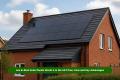
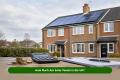
If you’ve been looking into solar power for your home, you’ve probably come across the term “in roof solar panels.” Unlike the more common setup where panels sit on top of your existing tiles, in roof systems are built right into the roof itself, replacing a section of the roof covering rather than sitting above it. The result is a much cleaner, more built-in look.
So – are they actually worth it? For a lot of homeowners, the answer is yes. They generate their own electricity, cut down how much you rely on the grid, and tend to look a lot better than bolted-on panels since they’re part of the roof rather than an addition to it.
That said, they’re not automatically the right fit for every house. Things like how complicated the install is, the condition of your existing roof, how the system is designed, and the upfront cost all matter, and they’re worth weighing up before you commit.
Solar itself isn’t a niche thing in the UK anymore, either. Energy Saving Trust puts the number at nearly 1.7 million homes with solar panel installations already, with the average domestic system sitting around 3.5 kWp and needing roughly 10–20 m² of roof space.
So What Exactly Are In-Roof Solar Panels?
Sometimes called integrated solar panels or roof-integrated PV, these are fitted into the actual structure of the roof rather than clamped on top with a mounting frame. Instead of adding a layer, the panels replace part of the roof covering.
That’s what gives you the streamlined finish – from ground level, the array can look like it’s simply part of the roof rather than something stuck onto it afterward.
Underneath, though, the technology works the same way as any other solar PV setup. The cells capture daylight and turn it into direct current electricity, which an inverter then converts into the alternating current your appliances actually use.
Worth noting: solar panels don’t need blazing sunshine to work. They’ll still produce electricity on a grey, overcast day – just less of it than on a bright one.
Are They Actually Worth It in the UK?
Generally, yes – particularly if you’re building a new home, replacing your roof anyway, or you just want your roof to look tidier.
But the real financial payoff comes down to a handful of variables: system size, which way your roof faces, how much shade it gets, how much electricity your household actually uses, and what the installation costs upfront.
A south-facing roof with minimal shading is the ideal scenario. East- or west-facing roofs can still work well, though Energy Saving Trust estimates they’ll typically produce around 15–20% less than an equivalent south-facing system.
There’s also the export side of things. If your system generates more electricity than your home needs at a given moment, eligible installations can send that surplus back to the grid through the Smart Export Guarantee (SEG). Ofgem confirms that SEG lets eligible small-scale generators – including solar PV setups – get paid for what they export, though the actual rate depends on which supplier and tariff you’re on.
In roof vs. on roof: what’s actually different
Both types generate electricity in the same basic way – the difference is really about installation and looks.
| Feature | In Roof Solar Panels | On-Roof Solar Panels |
| Installation | Built into the roof | Mounted on top |
| Appearance | Sleeker, more discreet | More visible |
| Roof covering | Panels replace part of it | Existing tiles usually stay |
| Best suited to | New builds, roof replacements | Roofs already in good shape |
| Installation complexity | Higher | Lower |
| Aesthetics | Excellent | Good |
| Future roof access | Needs more planning | Generally simpler |
| Electricity output | Depends on design and panels | Depends on design and panels |
One thing worth being clear about: in roof doesn’t automatically mean more efficient. How much electricity you actually get depends on the panel technology, system size, orientation, pitch, and shading – not on whether the panels sit in or on the roof.
Is Your Electric Bill Too Heavy on Your Budget?
Stop paying full price for your bills when the power from the sun can save your money. A high efficiency solar PV system, built for UK weather, could save you up to £550 a year.
Why People Choose In Roof Systems
It just looks better. This is probably the single biggest draw. Traditional panels sit proud of the roofline and are hard to miss. In roof panels sit flush, so the whole thing reads as part of the roof rather than an add-on – which matters if you care about kerb appeal, or if you’re an architect or developer working on something more modern.
It makes sense if you’re already redoing your roof. Rather than fitting a new roof and then bolting on a separate solar mounting system afterward, you can design the two together from the start. Less duplicated work, and a tidier end result. For new builds, this can be planned in from day one – roof structure, wiring, and panel layout all sorted together.
You get to generate your own power. At its core, that’s the whole point of any solar PV system – turning daylight into usable electricity for your lights, appliances, and everything else, without burning any fuel. How much you actually save depends heavily on your household – if you use a lot of electricity during daylight hours, you’ll get more direct benefit from what the panels produce.
There’s potential to earn from exports. Any surplus electricity you’re not using can be sent back to the grid, and under the Smart Export Guarantee, participating suppliers will pay you for it. So the value comes in two forms: less money spent buying electricity, plus a bit of income from what you export.
Lower VAT on qualifying installs. In Great Britain, energy-saving materials – including solar panels – currently qualify for 0% VAT under the relevant rules, and GOV.UK confirms solar is on that list. Rules do change, though, so it’s worth double-checking the current position with your installer before signing anything.
It pairs nicely with battery storage. Most solar generation happens during the day, but most households use more electricity in the evening. A battery lets you store that daytime surplus and use it later, meaning more of your own solar power actually gets used rather than exported.
Where In Roof Systems Fall Short
It’s not all upside, though.
The install is more involved. Building panels into the roof structure takes more careful planning than simply clamping panels on top of existing tiles – the installer has to think through waterproofing, flashing, panel layout, and the electrics all at once. This is exactly why picking a properly experienced, certified installer matters so much.
It can cost more. Because the panels form part of the actual roof structure, installation costs tend to run higher. Energy Saving Trust puts the average UK domestic solar system cost at around £6,100, though real-world prices vary a lot depending on the property and spec. The sensible way to compare quotes is on total project cost, not just panel price.
Future repairs need more thought. If something goes wrong underneath or around an integrated array, getting at the roof isn’t quite as simple as lifting a few standard tiles the way you could with an on-roof system. It’s not a dealbreaker, but it does make good installation and long-term planning more important upfront.
Not every roof is a good candidate. If your current roof is old, damaged, or due for replacement soon anyway, an in roof system might not be the most practical choice right now. A proper roof and solar assessment beforehand will tell you where you stand.
How Much Electricity Can You Actually Expect?
This really depends on your specific setup. Energy Saving Trust cites an average domestic system size of around 3.5 kWp, but that varies with available roof space and how much electricity the household uses.
MCS’s 2025 technical guidance gives a sense of the range too – one example system generates about 4,059 kWh a year, while another manages around 2,456 kWh. That’s a big spread, which is really the point: national averages only tell you so much.
A decent installer should be assessing things like:
- Roof direction and pitch
- Shading
- Available roof space
- Panel efficiency
- System size
- How much electricity your household actually uses
- Whether battery storage makes sense for you
What you should come away with is a realistic estimate for your specific property, not a generic promise.
What About British Weather?
Here’s the reassuring part: our weather doesn’t make solar pointless. Panels run on daylight, not direct sun, so they’ll keep producing even under heavy cloud cover – just at a lower rate.
The bigger factor is the seasonal swing. Winter months bring shorter days and weaker light, so generation drops off; summer makes up for it many times over. That’s why it makes more sense to judge a solar system’s performance over a full year rather than getting hung up on one grey afternoon.
Planning Permission and Building Regulations
Most residential solar installs fall under permitted development, but it’s still worth checking the specifics for your property before assuming that applies to you. Building regulations are a separate matter from planning permission – GOV.UK notes that regs can apply to various kinds of building work, so if you’re unsure, your local building control body can clarify.
Listed buildings, conservation areas, or unusual roof shapes can all add extra hoops to jump through. A good installer should walk you through exactly what permissions or certifications you’ll need before any work starts.
Picking the Right Installer
Your installer has a huge influence on how well the system performs long-term. Look for someone who gives you a clear system design, realistic generation estimates, solid warranties, and the right certification.
MCS certification in particular tends to matter – government guidance links it (or equivalent) to eligibility for certain schemes and consumer protections.
Berks Insulation installs solar panels across the UK as part of its broader home energy-efficiency work, helping homeowners weigh up their options and find ways to bring energy costs down.
When you’re comparing quotes, don’t just look at the bottom-line price. Ask about the panel brand and model, the inverter, expected annual generation, warranty terms, the actual installation work involved, certification, battery options, and what support looks like after everything’s fitted.
Is In Roof Solar Right for You?
It tends to make the most sense if you’re:
- Building a new home
- Replacing your roof anyway
- Planning a bigger roof renovation
- After a cleaner-looking roof
- Keen to generate your own electricity
- Thinking about pairing solar with battery storage
If your existing roof is already in good shape and you’d rather keep things simple, standard on-roof panels are probably the more practical route.
Really, it comes down to your specific property rather than one option being universally “better.”
Quick pros and cons
| Pros | Cons |
| Clean, built-in appearance | More complex to install |
| Great for new builds | Often costs more upfront |
| Fits naturally with roof replacements | Not right for every existing roof |
| Generates your own electricity | Roof repairs need more planning |
| Cuts down what you buy from the grid | Output varies with weather and orientation |
| Works well alongside battery storage | Needs careful, considered system design |
| Possible SEG export income | Initial investment can be significant |
| Some installs qualify for VAT relief | Rules and incentives can shift over time |
The Bottom Line
In roof solar panels can be a genuinely good investment for a lot of UK homeowners. The main draws are the clean look, the way they integrate with the roof, and the ongoing potential to cut your electricity costs.
They make the most sense when you’re already building or re-roofing, since solar can be designed in from the start rather than added on afterward.
But how well it pays off for you specifically depends on your roof’s direction, shading, system size, how much power you use, installation costs, whether you add a battery, and what you can earn from exports.
With close to 1.7 million UK homes already running solar, per Energy Saving Trust, it’s a well-established market at this point – not an experimental one. The best next step is getting your property properly assessed and comparing detailed quotes from a few reputable installers. A solid design should tell you roughly how much electricity you’ll generate, how much of that you’re likely to actually use, and how much you could potentially export.
For homeowners after something modern, discreet, and efficient, a well-designed in roof solar system can be a strong long-term choice.
Frequently Asked Questions
Get Your ECO4 Grant
Simply enter your postal code and answer a few questions, we’ll handle the rest!
Recent Blogs
Share Blog