Skip to main content Skip to content

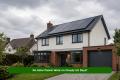
When people considering solar panel systems in the UK are asked about their reservations, bad weather is always the first thing they think of. Clouds, rain, four seasons in one day – it’s not what you’d call a sunny place.
However, the myth that the clouds turn the panels “off” is the most widespread myth when it comes to installing solar panels in the UK.
Panels Run on Light, Not Sunshine
Solar panels do not require bright sunlight to produce electricity. All they require is light. The photovoltaic (PV) cells react to photons, which photons are available to your roof even if the sun is concealed by clouds. It is the diffuse light, the same reason why you can read outside on a cloudy day without using a flashlight.
The new generation panels are designed to catch dispersed light effectively, hence the reason why your rooftop installation continues generating electricity in Britain’s weather conditions.
What Cloudy Days Actually Do to Output
Output does drop as cloud thickens, and it’s worth being straightforward about that rather than glossing over it. On a heavily overcast day, a system will typically generate somewhere between 10% and 25% of its peak output. On the lighter, hazier cloud that’s far more common across most of the UK, output can sit anywhere from 50% up to 80% of peak capacity. Rain itself barely affects a panel; it’s the thickness of the cloud layer above it that counts.
The more useful way to think about this is across a full year rather than day by day. The correctly specified size of the solar installation should be based on a yearly calculation, rather than an overcast day in the middle of November. During the summer, long periods of daylight and high sun make up for the shorter and darker periods during winter.
Is Your Electric Bill Too Heavy on Your Budget?
Stop paying full price for your bills when the power from the sun can save your money. A high efficiency solar PV system, built for UK weather, could save you up to £550 a year.
The Germany Comparison
With poor weather conditions being a hindrance to the application of solar power, Germany would not be one of the largest producers of solar power in the world. The amount of sunshine received is more or less the same compared to that received by the United Kingdom, and in some areas, it is even less. However, Germany has been among the leading countries in solar power installation for many years now, using some percentage of its total electricity produced through PV.
The photovoltaic cells installed in the roofs in Germany operate under the same weather conditions as those in the UK.
Cooler Weather Isn't the Enemy Either
Here’s the part that tends to surprise people: heat actually hurts solar panel efficiency. PV cells lose a small percentage of output for every degree above roughly 25°C, so scorching summers in hotter countries can drag performance down rather than up. The UK’s mild, temperate climate keeps panels closer to their optimal operating range for more of the year. It’s one of the quieter solar panel benefits of installing in Britain rather than somewhere with a genuinely punishing summer.
Why Solar Panel Installation Quality Matters More than the Forecast
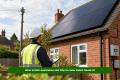
Weather is the part homeowners worry about most. The bigger factor in how much electricity a system actually produces is how well it’s installed. Roof orientation, pitch, shading from chimneys or nearby trees, panel quality, and inverter sizing all affect output more than an average cloudy afternoon does. A poorly angled or badly shaded array will underperform even in July.
This is where working with an experienced Solar Panel Installation team pays off. A proper site survey identifies the best orientation for your roof, accounts for shading through the day, and specifies equipment suited to your household’s actual usage rather than a generic package. Certified installers working to MCS standards also make sure the system qualifies for available incentives, including the current 0% VAT on qualifying installations, a detail that can shave a meaningful amount off the upfront cost. Choosing the right solar panel installation partner, in other words, matters more to your final output than the weather forecast ever will.
Getting More From the Cloudy Days You Do Have
Pairing a system with solar battery storage is one of the more effective ways to make the most of variable UK generation. Instead of exporting surplus electricity the moment the sun breaks through, a battery stores it for use later, including on the low-output days when a home would otherwise be pulling more from the grid. For a lot of households, that shift alone noticeably increases how much of their own generation they actually use, rather than selling it back cheaply and buying it back later at a higher rate.
The Bottom Line for UK Homeowners
None of this makes the UK a perfect solar climate. It isn’t Spain, and nobody installing panels here should expect Mediterranean output. But “doesn’t get much sun” and “doesn’t work” are two different claims, and the data on UK solar performance backs that up year after year. Combined with Smart Export Guarantee payments for surplus electricity and the temporary 0% VAT rate on qualifying installs, the financial case for solar energy is arguably as strong as it has ever been.
If you’re weighing up whether solar power for homes makes sense for your property, the honest answer is probably yes, clouds included. The clearest way to find out is a proper site assessment from a qualified renewable energy provider who can model your roof’s actual generation potential rather than lean on a generic UK average. Cloudy skies were never the deal breaker they’re made out to be. A rushed installation is a bigger risk to your home energy efficiency than British weather will ever be.
Get Your ECO4 Grant
Simply enter your postal code and answer a few questions, we’ll handle the rest!
Recent Blogs
Share Blog