Skip to main content Skip to content


Installation of Air Source Heat Pumps has evolved from being just another form of renewable technology to one of the most popular choices for homeowners in UK who wish to replace their old heating systems. However, the high initial cost remains a deterrent despite the many benefits it offers.
Fortunately, there are numerous ways through which you can get your investment in the system to be lower than expected with the help of VAT reduction, some governmental programs and some other tips.
This guide highlights how air source heat pump installation is done, how costly it is and ways to reduce the cost.
How Air Source Heat Pump Installation Works
The air source heat pump works by gathering heat from the outside air, even in winter, and using it to heat your house and hot water through your central heating system. The heat pump does not involve any burning of fuels in your premises since it is a key element in low-carbon heating systems in UK homes.
The Installation Process Generally Entails the Following Steps:
A heat loss assessment. This should be carried out by a professional installer prior to quoting of prices and involves assessing the heat loss, insulation, and the size of radiators present in your property. This will tell the installer what size of a heat pump you need and whether part of the central heating system modification is necessary.
Design of the system and quotation. According to the survey, the installer selects an appropriate size of a heat pump for your house. An undersized heat pump will result in inadequate operation in cold conditions; an oversized one will cost more and operate less effectively.
Installation. Installation of a heat pump in a domestic environment usually lasts two to four days. It includes installation of an outdoor unit and its connection with your heating system, installation or modernization of a water cylinder if required and changes in radiators and piping detected during the survey.
Commissioning and handover. The installer commissions the system, checks it’s running at the correct settings for your property, and talks you through the controls. A well-installed system should need only an annual service to keep running efficiently, similar to a standard boiler replacement.
Because the outcome depends so heavily on how well the property is prepared, homes with decent existing insulation and modern radiators tend to see faster installs and lower total costs than older, poorly insulated properties needing significant emitter upgrades.
Understanding Heat Pump Costs
A fully installed air source heat pump in 2026 typically costs between £8,000 and £15,000 before any support, depending on the size of the property, the unit’s output, and how much additional work is needed to the radiators and hot water system. A straightforward installation on a well-insulated two or three-bedroom home tends to sit toward the lower end of that range. A larger or older property needing radiator upgrades and a new cylinder will land higher.
That’s a significant number next to a conventional boiler replacement, which is exactly why understanding the available support matters so much before you commit to a quote.
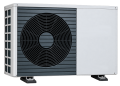
Get Rid of Noisy & Inefficient Boilers
Fossil fuels and inefficient electric heating belong in the past. Step up to a heat pump running at 400% efficiency, backed by grants worth up to £9,000.
The Boiler Upgrade Scheme: Your Main Government Heat Pump Grant
The Boiler Upgrade Scheme, administered by Ofgem, is the primary government heat pump grant available to homeowners in England and Wales. It currently provides £7,500 towards the cost of an air source or ground source heat pump installation.
A few points make a real difference to how this works in practice:
- The grant is deducted upfront by your installer, applied directly to your quote. You don’t pay the full cost and claim it back later.
- You must use an MCS certified installer. This is a hard requirement, not a recommendation. Only installers registered with the Microgeneration Certification Scheme can process a Boiler Upgrade Scheme application on your behalf, and the installation itself must meet MCS standards.
- Eligibility generally requires an Energy Performance Certificate (EPC) for the property, without outstanding recommendations for loft or cavity wall insulation. This is where insulation work often needs to happen first, or alongside, the heat pump installation.
- Replacement heat pumps aren’t eligible. The scheme is designed to support a switch away from fossil fuel heating, so if you’re replacing an existing heat pump, you’ll need to look at other financing options instead.
On a typical £12,000 installation, the £7,500 grant alone brings the net cost down to around £4,500, before any other savings are factored in.
Other Ways to Reduce the Cost
The Boiler Upgrade Scheme is the headline saving, but it’s rarely the only one available.
0% VAT. Domestic heat pump installations currently benefit from a 0% VAT rate, rather than the standard rate, on the full cost of supply and installation, including labour and any ancillary radiator or pipework. On a typical installation, this saves roughly £1,600 to £2,800 that would otherwise be added to the bill.
Mortgage lender incentives. Several major lenders now offer cashback, typically up to £2,000, for homeowners making energy-efficient improvements including heat pump installation. It’s worth checking with your mortgage provider before you start, since some schemes require documentation submitted before or shortly after the work is done.
Improving your property’s insulation first. This is one of the most overlooked cost-saving steps, and it has a compounding effect. A well-insulated home needs a smaller, less expensive heat pump to heat it effectively, often avoiding the radiator upgrades that push installation costs toward the top of the range. It also improves your EPC rating, which can be a prerequisite for Boiler Upgrade Scheme eligibility in the first place. Addressing loft or cavity wall insulation gaps before your heat pump survey frequently pays for itself through a smaller system and a smoother grant application.
Choosing the Right Installer
Because MCS certification is a requirement for the Boiler Upgrade Scheme, it’s the first thing to check when getting quotes. Beyond that, look for an installer who carries out a proper heat loss survey rather than a quick estimate, is transparent about how the grant is applied to your final price, and can talk you through whether insulation or radiator work should happen before, or alongside, the heat pump itself.
Getting quotes from more than one installer is worth the time. Installed prices vary considerably even for similar-sized properties, and a second opinion on whether your home needs radiator upgrades can sometimes reveal that a smaller, cheaper system will do the job just as well.
Bringing It All Together
Between the £7,500 Boiler Upgrade Scheme grant, 0% VAT, and additional support through lender cashback where applicable, the realistic out-of-pocket cost for many households sits well below the £8,000 to £15,000 headline figure, often in the £3,000 to £6,500 range. Pairing your heat pump installation with an honest look at your home’s insulation is usually the single biggest lever left after the grants are applied, both for cutting the installed cost and for keeping running costs down once the system is in.
If you’re weighing up a heat pump against a straightforward boiler installation, or wondering whether your current central heating upgrade plans should include insulation work first, it’s worth getting a proper assessment before quotes come in, so you know exactly what you’re working with.
Get Your ECO4 Grant
Simply enter your postal code and answer a few questions, we’ll handle the rest!
Recent Blogs


Share Blog